
From humble beginnings to sleek modern designs, boot racks have evolved to become more than just functional storage solutions. They are now integral elements of entryway design, offering a balance of practicality and aesthetic appeal. This comprehensive guide explores the diverse world of boot racks, examining their design, functionality, and practical applications in various home settings, from apartments to sprawling estates.
This in-depth analysis delves into the critical aspects of boot rack selection, considering factors such as material, size, and installation. We’ll compare different types, analyze their strengths and weaknesses, and discuss how to optimize storage and maximize space in any home layout.
Introduction to Boot Racks
Boot racks, ubiquitous in homes and offices alike, have evolved from simple, utilitarian storage solutions to sophisticated design pieces. Their history reflects a progression from basic wooden structures to modern, aesthetically pleasing options incorporating various materials and functionalities. The evolution has been driven by the need for organized storage and the desire for stylish integration into living spaces.The materials used in constructing boot racks significantly impact their durability and aesthetic appeal.
Traditional wood, known for its warmth and natural beauty, remains a popular choice. However, modern options explore a wider range of materials, including metal, plastic, and composite materials. Metal racks, often featuring powder-coated finishes, offer exceptional durability and a contemporary look. Plastic options, while lighter and potentially more affordable, might not always match the aesthetic expectations of a discerning homeowner.
Composite materials combine the best of both worlds, blending the strength of metal with the aesthetic appeal of wood, creating a durable and visually appealing product.
Types of Boot Racks
Boot racks are available in a variety of styles, each catering to specific needs and preferences. Over-the-door racks are space-saving solutions, ideal for entryways with limited floor space. Freestanding racks offer more flexibility and can be placed strategically in any room. Wall-mounted racks are a sleek alternative, seamlessly integrating into the overall design of the home. Their choice depends heavily on the available space, the overall design, and the desired storage capacity.
Sizes and Capacities
Boot racks come in various sizes and capacities, ranging from small, single-pair racks to large, multi-pair options. The size selection depends on the number of occupants in the household and their footwear needs. Smaller racks are suitable for individual apartments or small families, while larger ones are appropriate for larger homes or families with multiple children. The capacity directly impacts the number of pairs of boots that can be stored, ranging from a few pairs to more than a dozen.
Comparison of Boot Rack Types
| Type | Storage Capacity | Material |
|---|---|---|
| Over-the-door | Generally, 2-4 pairs of boots | Metal, wood, or composite |
| Freestanding | From 4-12+ pairs of boots, depending on the size | Metal, wood, or composite |
| Wall-mounted | Similar to freestanding, depending on size | Metal, wood, or composite |
This table provides a concise overview of the different boot rack types, their storage capacity, and the materials commonly used in their construction. The choice of rack type is heavily influenced by the available space and the anticipated number of boots to be stored.
Design and Functionality
Boot racks are more than just storage; they are key elements in creating a functional and stylish entryway. A well-designed boot rack can streamline the process of entering and exiting the home, minimizing clutter and maximizing space efficiency. Their design significantly impacts the overall aesthetic and practicality of an entryway.Effective boot racks prioritize both form and function. Careful consideration of materials, dimensions, and organizational features translates to a long-lasting and user-friendly solution for storing footwear.
This section explores the critical design features, storage methods, and maintenance aspects of boot racks, especially in the context of modern living spaces with varying needs.
Key Design Features of Effective Boot Racks
The most effective boot racks possess several key design elements. These include sturdy construction to withstand the weight of multiple pairs of boots, adjustable shelves or compartments for accommodating different boot sizes and styles, and thoughtful design that allows for easy access and removal of boots. The materials used should be durable and resistant to wear and tear, while the overall aesthetic should complement the décor of the entryway.
Methods for Organizing and Storing Boots
Several methods can be employed to optimize boot storage within a rack. One common approach is utilizing adjustable shelves or compartments, allowing users to customize the storage space to their specific needs. Another method involves using dividers or partitions to create separate sections for different types of footwear, such as work boots, casual shoes, or winter boots. This systematic approach to organization reduces clutter and makes it easier to locate specific boots.
The best method depends on the size of the rack, the number of boots, and the preferred organizational style.
Importance of Ventilation in Boot Racks
Proper ventilation within a boot rack is crucial to prevent the buildup of unpleasant odors. Closed-off spaces can trap moisture and promote the growth of mildew and bacteria, leading to unpleasant smells. Open designs with ample air circulation, or racks with integrated ventilation features, are essential for maintaining a fresh and hygienic entryway. This is particularly important in areas with high humidity or in households with multiple pairs of boots.
Role of Boot Racks in Maintaining a Tidy Entryway
Boot racks play a pivotal role in maintaining a tidy entryway. They provide a designated space for storing footwear, keeping the floor clear and free of clutter. This helps prevent tripping hazards and maintains a clean and welcoming atmosphere. A well-organized boot rack immediately improves the overall impression of the home, setting a positive tone for visitors and residents alike.
Creative Boot Rack Designs for Small Spaces
Limited space doesn’t mean sacrificing organization. For small entryways, wall-mounted boot racks offer a space-saving solution. These racks can be designed with a sleek profile and incorporate vertical storage to maximize the use of vertical space. Folding or collapsible boot racks provide an additional option for smaller areas where space is at a premium. In some cases, integrating a boot rack into a larger piece of furniture, such as a console table or bench, can provide both storage and seating.
Pros and Cons of Different Boot Rack Styles
| Boot Rack Style | Pros | Cons |
|---|---|---|
| Wall-mounted | Space-saving, visually appealing, easy installation | Limited storage capacity, may require more complex installation for heavier boot storage |
| Free-standing | Flexible placement, larger storage capacity | May take up more floor space, can be less visually appealing in some settings |
| Bench with integrated rack | Combines seating and storage, practical for high-traffic entryways | Can be more expensive, may not be suitable for all design aesthetics |
| Folding/collapsible | Compact storage, ideal for small spaces, easily moved or stored | May not have the same structural integrity as fixed racks, limited storage capacity |
Practical Applications
Boot racks, beyond their functional purpose, offer a compelling design element that seamlessly integrates into various interior styles. Their versatility extends far beyond simple storage, enhancing the aesthetic appeal and functionality of any space. From rustic cabins to modern apartments, strategic placement and thoughtful selection of materials can transform a storage necessity into a design statement.
Interior Design Styles
Boot racks are not confined to a single aesthetic. Their adaptability makes them suitable for a wide range of interior design styles. Rustic or farmhouse interiors, for example, can benefit from a weathered wood boot rack, complementing the natural tones and textures of the space. Contemporary or minimalist designs might embrace sleek metal or geometric boot racks, adding a touch of modern sophistication.
Transitional spaces, blending elements of different styles, can use a variety of materials and designs to unify the space’s overall aesthetic. Consider the materials and finishes to achieve a cohesive look with the overall design.
Comparison with Other Shoe Storage Solutions
Boot racks often outperform other shoe storage options, particularly when dealing with bulky winter boots or a large family. While shoe organizers can effectively manage everyday shoes, they often struggle with the larger size and weight of boots. Boot racks, with their sturdy construction and often larger surface area, provide dedicated space for boots, maintaining order and minimizing clutter.
Consider the volume of shoes and boots to choose the best solution.
Environmental Impact of Materials
The environmental impact of a boot rack hinges on the chosen materials. Rattan or bamboo boot racks, sourced sustainably, offer an environmentally conscious choice. Metal racks, particularly recycled or reclaimed metal, also contribute to a more sustainable footprint. Conversely, racks made from exotic hardwoods or unsustainable plastics raise environmental concerns. Prioritize materials with a demonstrably lower carbon footprint to reduce the environmental impact of the product.
Safety Features
Safety is a critical consideration in boot rack design. Look for racks with secure footing to prevent tipping or wobbling, especially in high-traffic areas. Sturdy materials and reinforced connections minimize the risk of breakage or collapse under weight. Racks with smooth edges and corners also contribute to user safety, minimizing the risk of accidental injury. Examine the construction and stability of the rack to ensure safety for all users.
Boot Racks in Different Home Types
The use of boot racks varies based on the type of home. In apartments, space-saving designs are paramount. Compact, wall-mounted racks or corner-mounted models are well-suited for limited space. Houses and condos, with more floor area, offer more flexibility in design and placement. Choosing the right style and size depends on the available space and the specific needs of the residents.
For example, a large family home will require a more extensive boot rack system to accommodate the number of boots.
Boot Racks vs. Shoe Organizers
| Feature | Boot Racks | Shoe Organizers |
|---|---|---|
| Capacity | Generally higher capacity for larger boots | Suitable for everyday shoes |
| Space Utilization | Often utilize floor space effectively | Can maximize vertical space |
| Durability | Typically designed for heavier boots | Suitable for lighter footwear |
| Aesthetics | Can serve as a design element | Primarily functional |
Shoe organizers are efficient for everyday shoes, but boot racks excel in managing the bulkier, heavier winter boots and outdoor footwear. Choose the storage solution best suited to the volume and types of footwear needing storage.
Maintenance and Care
Proper boot rack maintenance is crucial for longevity and optimal functionality. Neglecting these aspects can lead to premature wear, damage, and a reduced lifespan of the rack, impacting its ability to organize and protect footwear. Regular care extends the boot rack’s useful life, saving you money and effort in the long run.Maintaining boot racks involves a range of procedures, from cleaning to preventing damage.
This section details the necessary steps for keeping your boot rack in top condition, regardless of the material used. Understanding the specific needs of different materials is vital for successful maintenance.
Cleaning Procedures
Effective cleaning prevents the buildup of dirt, grime, and odors that can compromise the structural integrity and aesthetic appeal of the boot rack. Different materials require different cleaning methods. Wood racks, for instance, should be cleaned with a soft cloth dampened with a mild soap solution. Avoid harsh chemicals that could damage the wood’s finish. Metal racks can be cleaned with a damp cloth and mild dish soap, then thoroughly dried.
For plastic racks, a mixture of warm water and mild detergent is ideal, followed by a thorough rinse and air drying.
Preventing Damage
Protecting boot racks from damage is crucial to extending their lifespan. Avoid placing heavy objects on top of the rack, as this can cause deformation or breakage, especially for delicate racks. Ensure that the rack is placed on a stable and level surface to prevent tipping or wobbling. Keep the rack away from direct sunlight or extreme temperatures, as these conditions can cause fading, warping, or cracking, particularly in wooden or plastic racks.
Also, avoid exposing the rack to excessive moisture, as this can lead to rust or mold growth, especially on metal racks.
Importance of Regular Maintenance
Regular maintenance is vital for the long-term health of your boot rack. A well-maintained rack will remain functional and attractive for years to come, requiring minimal repairs. This proactive approach saves you time and money in the long run by avoiding costly repairs or replacements. By consistently following the maintenance schedule, you can ensure that the boot rack continues to provide the necessary storage solution for your footwear.
Common Problems and Solutions
Common problems with boot racks include rust on metal racks, warping or cracking on wooden racks, and discoloration or damage on plastic racks. Rust can be addressed with a rust remover, followed by a protective coating. Warped or cracked wood can sometimes be repaired with wood filler and refinishing. Discoloration or damage on plastic racks can often be cleaned with a suitable cleaning solution.
In some cases, replacing the damaged part or the entire rack might be necessary.
Lifespan of Different Materials
The lifespan of a boot rack depends heavily on the material used and the level of care provided. Wooden racks, if properly maintained, can last for decades, providing sturdy and attractive storage. Metal racks, especially those made of durable materials like stainless steel, can also offer a long lifespan, but rust susceptibility should be considered. Plastic racks are generally less expensive and easier to maintain, but their lifespan can be shorter than wood or metal if not properly cared for.
Maintenance Requirements Table
| Material | Cleaning | Damage Prevention | Regular Maintenance | Common Problems |
|---|---|---|---|---|
| Wood | Damp cloth with mild soap solution | Avoid heavy objects, direct sunlight | Regular inspection for cracks or warping | Warping, cracking, discoloration |
| Metal | Damp cloth with mild dish soap | Stable placement, avoid moisture | Inspect for rust and apply protective coating | Rust, dents, scratches |
| Plastic | Warm water and mild detergent | Avoid sharp objects, excessive heat | Regular wiping and inspection | Discoloration, scratches, breakage |
Budget and Value
Boot racks, while seemingly simple, can vary significantly in price and value. Understanding the factors driving these differences is crucial for making an informed purchase. From the raw materials to the design features, a careful analysis of cost-effectiveness is key to getting the best possible value.The price of a boot rack is influenced by a multitude of factors, including the material used, the design complexity, and the brand reputation.
Higher-end models, often crafted from premium woods or featuring intricate designs, will command a premium price. Conversely, simpler designs using more readily available materials tend to be more budget-friendly.
Price Ranges for Various Boot Rack Styles
Boot rack prices vary considerably depending on the style and materials. Entry-level racks, typically made from particle board or composite materials, can be purchased for under $50. Mid-range options, often featuring solid wood construction or metal accents, typically fall between $50 and $150. High-end boot racks, constructed from exotic hardwoods or featuring bespoke designs, can easily exceed $150.
This range provides a spectrum of choices, accommodating various budgets and aesthetic preferences.
Cost-Effectiveness of Different Materials
The cost-effectiveness of a boot rack is heavily dependent on the material used in its construction. Solid wood, while often perceived as a premium material, can be a cost-effective choice if sourced responsibly and crafted efficiently. Composite materials, often pressed wood products, are typically more budget-friendly but may not offer the same durability or aesthetic appeal. Metal racks, while durable, can be more expensive than wood alternatives, particularly if they are designed with intricate features.
Factors Influencing Boot Rack Value
Several factors influence the perceived value of a boot rack. Durability, measured by the ability of the rack to withstand frequent use and potential wear, is paramount. Aesthetics are also critical, as the rack should complement the surrounding decor. The overall design, including features like adjustable shelving or additional storage compartments, directly impacts the value proposition. Brand reputation also plays a significant role; established brands often offer more dependable quality and customer service, contributing to the perceived value.
Finding Budget-Friendly Options
Several strategies can help consumers find budget-friendly boot racks. Online retailers frequently offer competitive pricing compared to traditional brick-and-mortar stores. Sales and promotional periods are another opportunity to snag discounts. Checking for used or refurbished options can significantly reduce the cost without sacrificing functionality. Considering the material composition and design complexity is vital in this search.
Tips for Getting the Best Value
For optimal value, consumers should prioritize the material’s durability and the rack’s design. Read reviews from other customers to understand the real-world performance and durability of various products. Comparing prices across multiple retailers ensures a comprehensive understanding of the market value. Considering the long-term value proposition, rather than focusing solely on the initial cost, will help identify the best overall deal.
Boot Rack Brand Cost and Feature Comparison
| Brand | Typical Price Range | Material | Key Features |
|---|---|---|---|
| Evergreen Home | $50-$150 | Solid Wood/Composite | Adjustable height, sturdy construction |
| Oakley Designs | $100-$250 | Solid Oak/Birch | Elegant design, various storage options |
| Metalcraft Industries | $100-$300 | Powder-coated Steel | High durability, weather-resistant |
Installation and Assembly
Boot rack installation, a crucial step in maximizing the utility and longevity of these storage solutions, requires careful consideration of various factors. Choosing the appropriate installation method, using the right tools, and anticipating potential challenges are essential for a successful outcome. A well-executed installation ensures the rack’s structural integrity and facilitates its intended function.
Installation Steps for Different Boot Rack Types
Proper installation procedures for boot racks depend on the rack’s design and intended location. Wall-mounted racks, for example, demand a different approach than freestanding or floor-mounted models. Understanding these distinctions ensures the rack is securely affixed and meets the requirements of the space.
Tools Required for Installation
The specific tools needed for installation vary based on the type of boot rack and its materials. Essential tools frequently include screwdrivers (Phillips and flathead), measuring tape, level, drill (with appropriate bits), and anchors or mounting hardware, as necessary. These tools ensure the installation process is efficient and precise.
Potential Installation Challenges and Solutions
Installation challenges, such as uneven walls, insufficient wall support, or inappropriate mounting hardware, can compromise the stability and longevity of the boot rack. Proper assessment of the installation site and use of appropriate anchors or mounting hardware address these concerns.
Wall-Mounted Boot Rack Installation Guide
This step-by-step guide details the installation of a typical wall-mounted boot rack.
- Preparation: Thoroughly measure the wall area for the rack, ensuring adequate space for the rack’s dimensions and sufficient wall support. Mark the placement points for mounting hardware. Use a level to ensure precise alignment for a stable installation.
- Mounting Hardware Installation: Drill pilot holes at the marked points, ensuring the holes are deep enough to accommodate the mounting screws. Insert wall anchors into the holes. Select anchors appropriate for the wall type (e.g., drywall, concrete). Properly secure the anchors to the wall.
- Boot Rack Attachment: Carefully attach the boot rack to the wall anchors using the provided screws. Ensure the rack is securely fastened and aligned according to the manufacturer’s instructions.
- Final Inspection: Verify the boot rack’s stability by gently pushing on it in various directions. Make sure the screws are snug and the rack is securely mounted.
Tools and Materials for Different Installation Types
The following table provides a general overview of the tools and materials needed for different boot rack installations, recognizing the variability across specific models.
| Boot Rack Type | Tools | Materials |
|---|---|---|
| Wall-mounted | Screwdrivers, measuring tape, level, drill, wall anchors, screws | Wall anchors, screws, mounting hardware, drill bits appropriate for wall material |
| Floor-mounted | Screwdrivers, level, measuring tape, drill, (if applicable, levelers or shims) | Levelers or shims, screws, bolts, floor anchors (if required) |
| Freestanding | Screwdrivers, measuring tape, level, (if applicable, levelers or shims) | Levelers or shims, screws, bolts |
Space Optimization
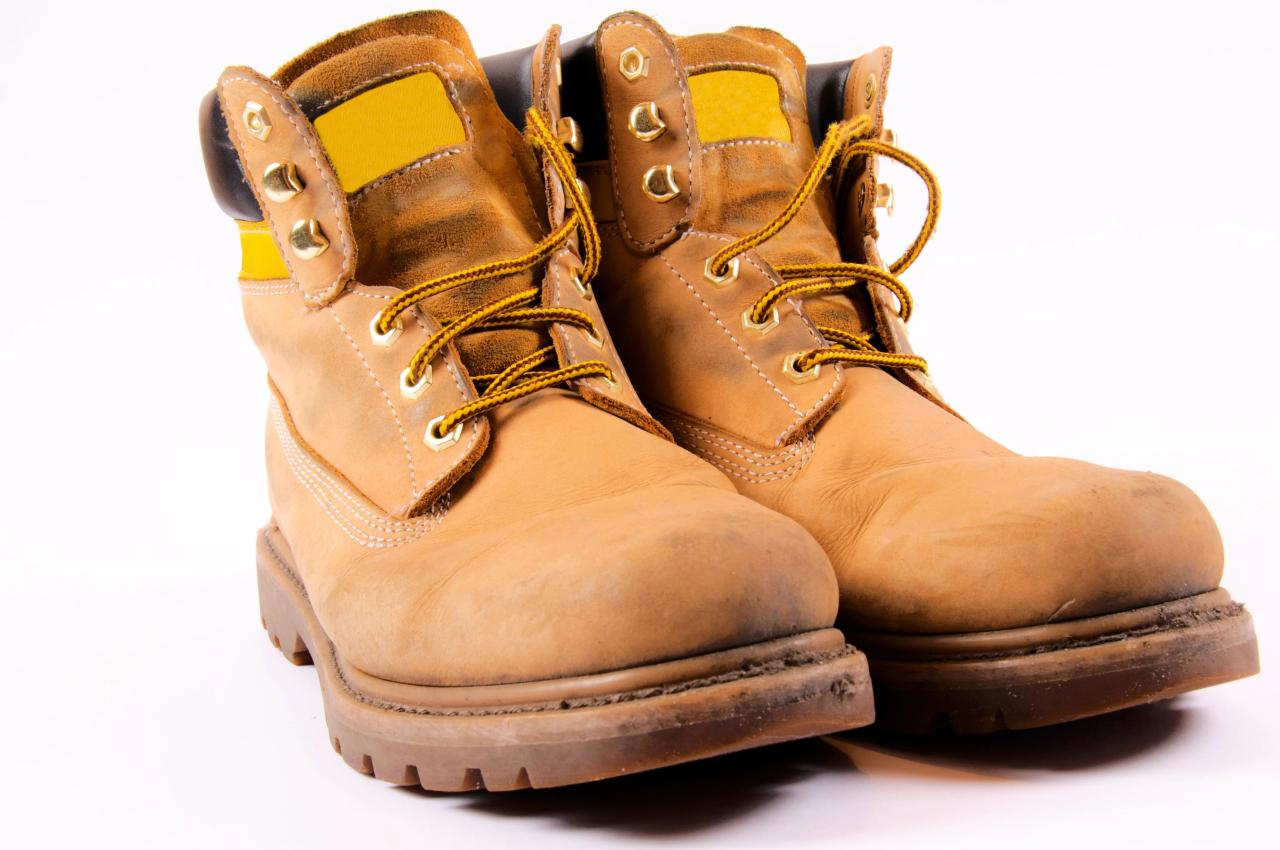
Maximizing space in entryways and hallways is crucial for a functional and aesthetically pleasing home. Boot racks, strategically designed and placed, can significantly enhance these areas, offering both practicality and style. Clever solutions can transform cramped entryways into welcoming spaces, streamlining the flow of daily life.A well-integrated boot rack can not only provide a designated spot for footwear, but also free up valuable floor space and enhance the overall organization of the entryway.
Careful consideration of design and placement can transform a cluttered, inefficient area into a visually appealing and efficient space.
Maximizing Space in Hallways and Entryways
Careful planning and innovative designs are key to maximizing space with boot racks. By strategically considering the dimensions of the space and the layout of the home, homeowners can integrate boot racks that complement the existing architecture and enhance functionality. This is particularly important in smaller homes and apartments, where every square foot counts.
Creative Solutions for Limited Space
Limited space presents unique opportunities for innovative boot rack solutions. Wall-mounted designs, especially those with adjustable or removable components, are excellent choices for optimizing space in tight quarters. Folding or collapsible boot racks can be stowed away when not needed, maximizing space when not in use. Vertical boot racks, extending upwards, are ideal for maximizing space in hallways.
Consider a boot rack that integrates with a built-in bench or shelving unit for additional storage and seating, thereby creating a functional and stylish entryway.
Incorporating Boot Racks into Different Home Layouts
The incorporation of boot racks should align with the overall layout of the home. In open-concept homes, a stylish, visually appealing boot rack can serve as a functional divider or focal point, drawing attention to a transitional space. For homes with a traditional layout, a centrally located boot rack can act as a unifying element. Consider the existing furniture and decor when selecting a boot rack to ensure a cohesive aesthetic.
Enhancing a Small Entryway
A small entryway can feel significantly more spacious and organized with the right boot rack. A compact, wall-mounted boot rack with a mirrored back can visually expand the area. Opt for a design that features clear, open spaces to maintain an airy feel. The choice of materials and colors is also important; lighter colors and reflective surfaces can amplify the sense of space.
Space-Saving Boot Rack Designs
| Design Type | Description | Space-Saving Features |
|---|---|---|
| Wall-Mounted | Mounted directly onto a wall, maximizing floor space. | Minimizes footprint, allows for use of space beneath. |
| Vertical | Designed to extend upward, maximizing vertical space. | Suitable for taller spaces, accommodates more boots. |
| Folding/Collapsible | Can be folded or collapsed when not in use, saving space. | Ideal for smaller spaces, maximizes usable area. |
| Built-in Bench | Integrated into a bench, combining seating and storage. | Provides seating and storage in one unit, saving floor space. |
| Multi-functional | Combines storage with other features like shelving or hooks. | Offers additional storage options, minimizing space needed. |
Safety and Accessibility
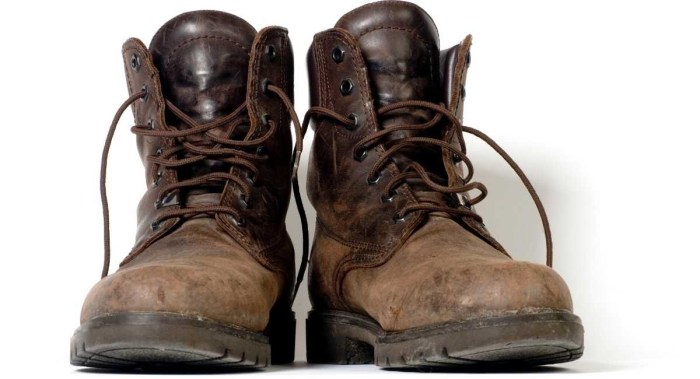
Boot racks, while enhancing organization, must prioritize the safety and accessibility of all users. Ensuring safe and convenient use for individuals with diverse needs is crucial for responsible design and installation. This includes considering factors like mounting stability, placement in relation to traffic flow, and the specific requirements of different user groups.Careful consideration of potential hazards and design adjustments can significantly impact the usability and overall safety of boot racks.
This is especially pertinent for families with children or seniors, and for individuals with mobility limitations. Prioritizing safety features in the design phase ensures a more inclusive and user-friendly product.
Safety Features for Different User Groups
Design considerations for boot racks should account for the varied needs of different user groups. Children, for example, may require lower, easily accessible storage solutions to prevent falls and injuries. Similarly, seniors may benefit from wider, more stable racks and low-profile designs to maintain balance and reduce strain. These adjustments can substantially improve safety and accessibility.
Accessibility for Individuals with Mobility Limitations
Boot racks designed with accessibility in mind prioritize ease of use for individuals with mobility limitations. Features like adjustable heights, wider entryways, and strategically placed handles can significantly enhance accessibility. Furthermore, ramps or gentle inclines can make loading and unloading boots more manageable for individuals with limited mobility. These considerations contribute to a more inclusive design.
Choosing Boot Racks for Specific Needs and Conditions
Selecting the appropriate boot rack depends on several factors, including the size of the entryway, the number of users, and the specific needs of individuals. For instance, families with multiple children might benefit from a multi-tiered rack with adjustable heights. Similarly, individuals with limited mobility may require a low-profile rack with a wider opening. Careful consideration of these factors ensures the rack effectively meets the specific requirements of its intended use.
Importance of Secure Mounting
Secure mounting is paramount for the safety of boot racks. Properly anchored racks are less prone to tipping or shifting, reducing the risk of injury or damage to the surrounding environment. This requires using appropriate mounting hardware and following manufacturer instructions precisely. A well-mounted rack provides a more secure and reliable storage solution.
Placement in Relation to Traffic Flow
Strategic placement of boot racks is crucial for both safety and usability. Racks should not obstruct walkways or doorways, and should be positioned to minimize the risk of collisions or trips. This often involves careful assessment of foot traffic patterns and potential obstructions. Proper placement is critical to maintaining a safe and efficient environment.
Safety and Accessibility Features of Various Boot Rack Designs
| Boot Rack Design | Safety Features | Accessibility Features |
|---|---|---|
| Low-profile, single-tier rack | Reduced risk of tripping; stable base | Easy access for individuals with limited mobility; convenient loading/unloading |
| Multi-tiered rack with adjustable heights | Organized storage; allows for customized storage | Suitable for families with varied heights; accommodating to different needs |
| Rack with grab handles | Provides assistance for loading and unloading | Improves ease of use for individuals with limited mobility |
| Rack with ramps or inclines | Facilitates loading and unloading | Designed for individuals with mobility limitations |
Environmental Impact
The environmental footprint of boot racks, often overlooked, is a critical consideration in today’s market. Consumers are increasingly conscious of the sustainability of their purchases, demanding products with reduced environmental impact throughout their lifecycle. This section delves into the environmental impact of various materials used in boot racks, comparing their sustainability and highlighting eco-friendly design choices.The choice of materials significantly influences a boot rack’s environmental impact.
From the sourcing of raw materials to the manufacturing process and eventual disposal, each stage contributes to the overall ecological footprint. Understanding these impacts empowers consumers to make informed decisions, supporting products with lower environmental burdens.
Material Sustainability Comparison
A critical aspect of assessing environmental impact is comparing the sustainability of different materials used in boot racks. This comparison necessitates a comprehensive understanding of the lifecycle assessment for each material, encompassing extraction, manufacturing, transportation, use, and disposal. Different materials have varying environmental footprints, influenced by their production processes and resource consumption.
- Wood: Wood-based boot racks, particularly those sourced from sustainably managed forests, offer a relatively lower environmental impact compared to materials like plastic. However, the sourcing and processing methods can vary significantly, impacting the overall sustainability. Wood racks often feature a natural aesthetic and can be a durable, long-lasting option. Certifications like Forest Stewardship Council (FSC) help ensure sustainable forestry practices.
- Metal (Steel/Aluminum): Metal boot racks, while often durable and long-lasting, can have a higher carbon footprint due to the energy-intensive processes involved in their production. Aluminum, due to its lightweight properties, may have a lower impact than steel, though both materials require significant energy input during manufacturing. Recycling plays a critical role in mitigating the environmental impact of metal boot racks.
- Plastic: Plastic boot racks, while often inexpensive and readily available, typically have a higher environmental impact due to the petroleum-based nature of the material and its limited recyclability. The production of plastic often involves significant energy consumption and releases greenhouse gases. The potential for microplastic release during decomposition and the reliance on fossil fuels for production are crucial concerns.
- Recycled Materials: Racks made from recycled materials, like recycled metal or plastic, represent a significant step towards sustainability. By using recycled content, these racks reduce the demand for virgin materials and lessen the overall environmental impact. The percentage of recycled content directly influences the sustainability profile.
Eco-Friendly Boot Rack Selection
Choosing eco-friendly boot racks requires careful consideration of material selection, manufacturing processes, and design. Look for certifications, such as FSC for wood, to ensure sustainable sourcing and production methods. Consider the potential for recycling or reuse at the end of the rack’s lifespan. Prioritize designs that minimize material waste and use recycled content wherever possible.
Sustainable Boot Rack Designs
Innovative designs can significantly contribute to the environmental performance of boot racks. For instance, racks incorporating modular components allow for easier disassembly and potential reuse of individual components. Using lightweight materials while maintaining structural integrity reduces the material’s environmental footprint. Consider designs that promote disassembly and recyclability at the end of the product’s lifespan.
Lifecycle Assessment of Boot Rack Materials
A comprehensive lifecycle assessment (LCA) evaluates the environmental impact of a product throughout its entire existence. For boot racks, this includes the extraction of raw materials, manufacturing, transportation, use, and disposal. LCAs can quantify the environmental impact associated with each stage, highlighting areas for improvement in design and material selection.
Environmental Impact Comparison Table
| Material | Extraction | Manufacturing | Transportation | Use | Disposal | Overall Impact |
|---|---|---|---|---|---|---|
| Wood (FSC Certified) | Low | Moderate | Moderate | Low | Low | Low |
| Steel | Moderate | High | High | Low | Moderate (recyclable) | Moderate |
| Aluminum | Moderate | High | Moderate | Low | High (recyclable) | Moderate |
| Recycled Plastic | Low | Moderate | Moderate | Low | Moderate | Low |
| Virgin Plastic | High | High | High | Low | High (limited recyclability) | High |
Customer Reviews and Feedback
Consumer reviews are a critical metric for evaluating the success of any product, and boot racks are no exception. Honest feedback, both positive and negative, provides invaluable insights into product strengths, weaknesses, and areas for improvement. This data informs manufacturers about customer preferences and pain points, enabling them to refine designs and enhance the overall user experience.Customer reviews act as a crucial bridge between the manufacturer and the consumer.
They offer a real-world perspective on the product’s performance and utility, highlighting features that resonate with customers and those that fall short of expectations. This transparency empowers consumers to make informed purchasing decisions, and provides valuable data to the manufacturers to optimize their products.
Customer Review Examples
Customer reviews offer a diverse range of opinions. Positive reviews often praise the boot rack’s durability, space-saving design, and ease of use. A common theme is how the rack helps keep the home organized and clutter-free. Conversely, some customers express concerns about the rack’s stability or its ability to accommodate a large volume of boots. Negative reviews frequently mention assembly difficulties, material quality issues, or unexpected problems with the rack’s structural integrity.
Durability and Quality Feedback
Consumers frequently evaluate the durability and quality of boot racks based on their experience with the product over time. Positive reviews often cite the rack’s ability to withstand daily use, showcasing robustness and longevity. However, negative feedback often highlights issues with the material’s quality, such as warping, cracking, or rusting. Customer reports often note the difference in quality between various materials, such as metal versus wood, and the longevity they experience.
Ease of Use and Assembly
Ease of use and assembly are key considerations in customer reviews. Positive reviews highlight intuitive designs and straightforward assembly instructions. Conversely, negative feedback often points to confusing instructions, requiring significant effort for assembly, or experiencing difficulties in fitting the rack into the designated space. Some customers find the rack’s design unintuitive, resulting in dissatisfaction.
Common Complaints and Manufacturer Responses
Common complaints about boot racks frequently center around the stability of the structure and the ease of assembly. Manufacturers often address these concerns by refining assembly instructions, improving the design’s stability, and using stronger materials. Addressing customer feedback promptly and transparently is crucial in building trust and maintaining a positive reputation.
Influence on Purchasing Decisions
Customer reviews significantly influence purchasing decisions. Positive reviews can boost confidence in a product’s quality and usability, while negative reviews can deter potential buyers. Consumers often rely on aggregated customer feedback to make informed choices, factoring in both positive and negative experiences. This reliance on peer opinions is a powerful driver in modern consumerism.
Importance of Feedback for Product Improvement
Customer feedback is critical for product improvement. By analyzing customer reviews, manufacturers can identify areas needing improvement and implement changes that enhance the product’s appeal and usability. Understanding customer concerns and preferences is essential to creating a superior product that meets consumer needs.
Summary of Customer Feedback
| Boot Rack Feature | Positive Feedback | Negative Feedback |
|---|---|---|
| Durability | Withstands daily use, robust, long-lasting | Warping, cracking, rusting, low quality materials |
| Ease of Use | Intuitive design, straightforward assembly | Confusing instructions, difficult assembly, unintuitive design |
| Space Optimization | Effective space utilization, suitable for large boot collections | Limited space for storage, insufficient capacity |
| Assembly | Easy to assemble, clear instructions | Difficult to assemble, confusing instructions, missing parts |
| Quality of Materials | High-quality materials, sturdy | Low-quality materials, flimsy |
End of Discussion
In conclusion, boot racks offer a compelling solution for organized entryways. Beyond their primary function, they can significantly enhance the aesthetic and functionality of any home. This guide has explored the evolution, design principles, and practical applications of boot racks, empowering readers to make informed decisions about their own storage needs. Ultimately, the right boot rack can transform a cluttered entryway into a stylish and efficient space.