
Chinese decorative boxes, more than mere containers, represent a rich tapestry of artistry, history, and cultural significance. From intricate carvings to vibrant lacquerwork, these objects reveal centuries of craftsmanship, evolving styles, and the stories they hold. Their use as storage, gifts, and heirlooms reveals a profound understanding of aesthetics and symbolism within Chinese culture.
This exploration delves into the fascinating world of Chinese decorative boxes, tracing their evolution through different dynasties, examining the materials and techniques employed, and understanding the cultural context behind their creation. The intricate designs, often laden with symbolic meaning, provide a glimpse into the beliefs, values, and artistic sensibilities of past generations.
Historical Context
Chinese decorative boxes, imbued with artistry and cultural significance, have a rich history spanning millennia. From humble beginnings as utilitarian containers, they evolved into exquisite works of art, reflecting the changing tastes and societal norms of successive dynasties. Their enduring appeal lies in their ability to encapsulate the aesthetic sensibilities and historical narrative of China.The craftsmanship of Chinese decorative boxes has always been closely tied to the prevailing artistic trends and materials available during different periods.
This evolution, interwoven with social and cultural factors, offers a fascinating glimpse into the heart of Chinese civilization.
Timeline of Decorative Box Making
Chinese decorative box making showcases a fascinating progression through time. Early examples, predating the imperial dynasties, were likely made from readily available natural materials like wood and bamboo, serving practical purposes. The subsequent rise of the imperial dynasties saw a marked shift towards elaborate designs and refined techniques. The Ming and Qing dynasties, in particular, are renowned for their exquisite craftsmanship, employing intricate carvings and a wide array of materials.
Evolution of Materials and Techniques
The materials used in crafting Chinese decorative boxes reflect the natural resources and technological advancements of each era. Early boxes often utilized readily available materials like wood, bamboo, and lacquer. Later, the introduction of precious metals, gemstones, and porcelain elevated the artistry and social status associated with these objects. Sophisticated techniques like inlay, carving, and lacquerware emerged, creating unique visual effects and demonstrating the technical prowess of the artisans.
Social and Cultural Significance
Chinese decorative boxes held significant social and cultural meaning. They were not merely containers; they served as symbols of status, wealth, and taste. The artistry and materials used in their construction reflected the social standing of the owner and the prestige of the era. Boxes were also used for storing precious items, further emphasizing their importance. Different types of boxes had varying social connotations, showcasing the multifaceted nature of Chinese culture.
Examples of Different Box Types
Different types of decorative boxes served diverse purposes, each with its own historical context. Snuff boxes, for instance, became highly prized collectibles in the late imperial period, reflecting the growing popularity of snuff-taking among the elite. Jewelry boxes, often intricately carved and inlaid with precious materials, were vital for storing and displaying valuable items. Tea boxes, showcasing delicate designs and often made from fine woods or porcelain, underscored the importance of tea culture in Chinese society.
Evolution of Box Types Across Dynasties
| Dynasty | Box Type | Material | Notable Features |
|---|---|---|---|
| Ming | Jewelry Box | Wood | Intricate carvings, often depicting floral motifs or auspicious scenes. |
| Qing | Snuff Box | Jade, Ivory, Enamel | Exquisite miniature works of art, reflecting the refined tastes of the court. |
| Song | Tea Box | Lacquer, Porcelain | Elaborate designs, highlighting the importance of tea ceremonies. |
Artistic Styles and Motifs
Chinese decorative boxes, reflecting a rich cultural heritage, showcase a dazzling array of artistic styles and motifs. These intricate designs, often imbued with symbolic meaning, reveal the historical and aesthetic sensibilities of different eras and regions. The choice of motifs, from elegant landscapes to powerful creatures, speaks volumes about the values and beliefs of the artisans and their patrons.The artistic styles and motifs used on Chinese decorative boxes evolved over centuries, influenced by various dynasties, schools of thought, and regional traditions.
The meticulous craftsmanship and symbolic weight behind each design element create a unique aesthetic that continues to captivate collectors and art enthusiasts today.
Common Artistic Styles
Chinese decorative boxes often employed a variety of artistic styles, each reflecting the artistic trends of the time. Styles like the intricate and detailed carvings of the Ming dynasty, the bold and dynamic depictions of the Qing dynasty, and the elegant, refined aesthetic of the Song dynasty each left a distinct mark on the boxes. These artistic expressions reveal the changing tastes and priorities of different periods.
Furthermore, regional variations also existed, leading to diverse interpretations of established styles.
Frequent Motifs
The most frequent motifs found on Chinese decorative boxes often carry profound symbolic meanings. These motifs, carefully chosen and meticulously rendered, communicate specific messages to the viewer. The presence of certain symbols could reflect the social status of the owner, the intended use of the box, or even a personal aspiration. The motifs are not merely decorative elements but carry a wealth of cultural significance.
Regional and School Variations
Significant differences emerged in the artistic styles and motifs used in different regions of China. For instance, the artistic expressions of southern China often exhibited a preference for delicate floral patterns and landscapes, contrasting with the more robust and powerful motifs favored in northern China, which sometimes included depictions of animals and warriors. This diversity in artistic styles underscores the rich tapestry of Chinese artistic traditions.
Symbolism Behind Specific Motifs
The symbolic weight behind specific motifs is deeply rooted in Chinese culture and philosophy. Dragons, for example, are frequently used to represent imperial power and auspiciousness. The peony flower symbolizes prosperity and beauty, while the bamboo stalk embodies resilience and steadfastness. These symbols are not merely decorative elements but hold a rich symbolic heritage that speaks to Chinese values.
Motif Table
| Motif | Associated Meaning | Example |
|---|---|---|
| Dragons | Imperial power, auspiciousness | Carved dragon on a lacquer box, possibly with intricate scales and details |
| Peony | Prosperity, beauty, abundance | A painted or carved peony flower, possibly within a decorative border on a jade box |
| Bamboo | Resilience, steadfastness, strength in adversity | An engraved bamboo stalk on a carved wood box, possibly with other auspicious symbols |
| Phoenix | Imperial power, feminine grace, good fortune | A painted or carved phoenix on a porcelain box, possibly with intricate wing details |
| Clouds | Transience, auspiciousness, connection to the heavens | A carved or painted cloud pattern on a lacquered box, possibly surrounding other motifs |
Materials and Techniques
Chinese decorative boxes, a testament to artistry and craftsmanship, showcase a diverse range of materials and techniques, reflecting evolving aesthetics and technological advancements throughout history. From the delicate artistry of lacquerware to the intricate carvings of wood, each element contributes to the unique character of these objects. The selection of materials and methods often mirrored societal trends and the availability of resources.The crafting of these boxes demanded a profound understanding of both the materials and the techniques employed.
Different periods saw variations in preferred materials, reflecting shifts in availability and cultural priorities. The meticulous application of lacquer, the precise carving of wood, and the subtle inlays of precious metals or stones, all played a vital role in creating these exquisite works of art.
Common Materials
Chinese decorative boxes were crafted from a variety of materials, each with its unique properties and aesthetic qualities. Wood, a readily available resource, was a cornerstone of box construction, particularly for simpler forms. Lacquer, a resinous substance, offered exceptional durability and a rich, lustrous surface. Precious metals, like gold and silver, were employed for embellishment and inlay, enhancing the visual appeal and often symbolizing status.
Ivory, jade, and other semiprecious stones were used for intricate carvings and inlay work, adding an element of luxury and sophistication.
Lacquerware Techniques
Lacquerware, a hallmark of Chinese decorative boxes, involved applying multiple layers of lacquer to create a protective and decorative finish. The process was often painstaking and required considerable skill. Various techniques were employed to achieve different effects. For instance, the “dragon scale” pattern, a common motif, was created by applying lacquer in meticulous patterns to replicate the scales of a dragon.
Another technique involved inlaying different coloured lacquers to form intricate designs. The application of pigments and ground lacquers, as well as the use of carving or inlaying into the lacquer surface, resulted in a myriad of visual possibilities.
Carving Techniques
Carving, particularly in wood, was frequently employed to create intricate designs and patterns on the exterior of the boxes. The type of wood used influenced the overall aesthetic. Hardwoods, known for their durability and ability to retain intricate details, were preferred for detailed carvings, while softer woods were more suitable for simpler designs. Carving techniques varied from simple relief to deep, intricate carvings that extended into the interior of the box.
The skill of the artisan dictated the level of detail and the complexity of the design.
Inlay Techniques
Inlay, a technique of embedding pieces of contrasting materials into the surface of the box, added a layer of depth and complexity to the design. Materials like mother-of-pearl, jade, and precious metals were often used for inlay work. The technique required precise cutting and fitting of the inlaid pieces to ensure a seamless integration with the box’s surface.
Different inlay techniques, such as cloisonné, were employed, producing unique textures and patterns.
Materials and Techniques Across Different Historical Periods
The choice of materials and techniques for crafting Chinese decorative boxes varied across different historical periods. The Song Dynasty, for instance, favoured the use of more refined woods and intricate carving techniques. The Ming Dynasty saw the rise of elaborate lacquerware, with a focus on intricate patterns and vibrant colours. The Qing Dynasty, often marked by its opulent style, saw an increased use of precious metals and gemstones in inlay work.
The table below highlights some key examples:
| Material | Technique | Example | Description |
|---|---|---|---|
| Wood | Carving | Wooden box with intricate scenes | Detailed carvings, often depicting historical events or mythological figures. |
| Lacquer | Inlay | Lacquer box with mother-of-pearl inlay | Mother-of-pearl pieces embedded within a lacquer surface, creating a contrasting and decorative effect. |
| Metal | Inlay | Silver inlay on a wood box | Silver pieces embedded in a wooden surface, often creating patterns or decorative borders. |
Cultural Significance and Symbolism
Chinese decorative boxes, far from mere containers, held profound cultural significance, acting as repositories of artistry, symbolism, and tradition. Their intricate designs and meticulous craftsmanship reflected the societal values and aesthetic sensibilities of the time. Beyond their utilitarian function, these boxes served as powerful vehicles for conveying cultural messages and celebrating life’s significant milestones.These meticulously crafted boxes were more than just objects; they were tangible expressions of the Chinese worldview.
The choice of materials, the artistry of the designs, and the symbolic motifs woven into the boxes all contributed to their unique cultural resonance. The symbolism often went beyond the obvious, conveying deeper meanings and aspirations within Chinese culture.
Role in Chinese Culture
These boxes played a multifaceted role in Chinese culture. They were not merely storage vessels; they were integral parts of rituals, ceremonies, and daily life. Their use as gifts, heirlooms, and artistic expressions cemented their importance in social interactions and familial connections. The ornate designs and meticulous craftsmanship reflected the prestige and status of the owner.
Symbolic Meanings
The symbolic meanings associated with the designs and motifs in these boxes were often complex and multifaceted. Dragons, for instance, represented power, good fortune, and imperial authority. Lotus flowers signified purity, beauty, and enlightenment. These intricate designs weren’t merely aesthetic; they conveyed specific messages about the owner’s values and aspirations. The meticulous attention to detail in the motifs also served as a testament to the skill and dedication of the artisans.
Importance in Rituals and Ceremonies
These boxes held a vital role in various rituals and ceremonies. Certain types of boxes were specifically used for storing ritual objects, offering auspicious symbols, or marking significant life events. For instance, elaborate boxes were often used in weddings, funerals, and other important family occasions, reflecting the importance of these events and the symbolic significance of the objects stored within.
Use as Gifts and Heirlooms
Decorative boxes were highly valued as gifts, often exchanged during significant events like weddings and births. The meticulous craftsmanship and symbolic motifs within the boxes conveyed the sender’s respect and well wishes. These boxes were also passed down through generations as heirlooms, preserving family history and traditions. They became tangible connections to the past, carrying stories and memories.
Examples of Boxes for Specific Occasions
| Occasion | Box Type | Symbolism |
|---|---|---|
| Wedding | Exquisitely decorated box, often inlaid with precious materials | Prosperity, happiness, and the beginning of a new life. The intricate designs and choice of auspicious motifs symbolize the couple’s hopes for a harmonious and prosperous future. |
| Birth | Smaller, intricately designed boxes | Good fortune, protection, and the start of a new generation. Often adorned with symbols of longevity and good health. |
| Funeral | Simple, unadorned box (sometimes lacquered black) | Respect for the deceased, and transition to the afterlife. The simplicity of the box signifies the impermanence of life. |
Collecting and Preservation
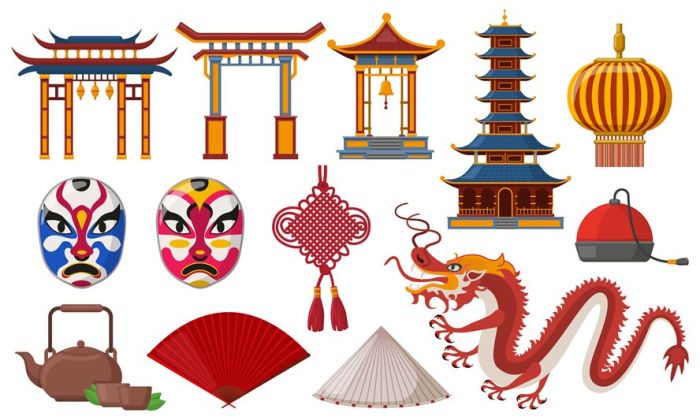
Chinese decorative boxes, prized for their artistry and cultural significance, command a growing interest in the global collecting market. This interest fuels the demand, often driving prices upward for rare or exceptional pieces. The market’s dynamism presents a delicate balance between appreciation and preservation, requiring meticulous care and responsible practices.The historical context, aesthetic value, and symbolic weight of these boxes are inextricably linked to their preservation.
Their continued existence for future generations necessitates proactive measures to safeguard these cultural artifacts. Appropriate care, storage, and documentation strategies are essential for their longevity and accessibility.
Current Market Trends
The market for Chinese decorative boxes is dynamic, with fluctuations in prices influenced by various factors. Demand from collectors, particularly those seeking rare or historically significant pieces, plays a crucial role in market value. Auction houses and specialized galleries often showcase these items, driving the prices upward. The increasing interest in Chinese art and culture among international collectors also contributes to the rising demand.
Importance of Preservation
Preserving these objects is paramount to safeguarding cultural heritage. These boxes are more than just decorative objects; they embody centuries of artistry, craftsmanship, and cultural expression. Their preservation ensures that future generations can appreciate the artistry and historical context embedded within them. The loss of such artifacts represents a significant cultural and artistic void.
Methods for Caring for and Preserving Boxes
Proper handling and storage are critical for preserving the integrity of these delicate objects. Regular cleaning, using appropriate materials, can remove dust and pollutants. The use of soft brushes, microfiber cloths, and archival-quality cleaning solutions are vital. Avoiding direct sunlight and extreme temperatures is also important to prevent fading and damage.
Importance of Proper Storage and Display
Adequate storage is crucial to prevent damage from environmental factors and physical stress. Using acid-free materials for storage, such as archival boxes and padding, is essential. The creation of stable, climate-controlled environments minimizes the risk of deterioration. Careful display techniques, considering the box’s weight, shape, and fragility, are vital to avoid any accidental damage.
Significance of Documentation
Comprehensive documentation plays a key role in preservation efforts. Detailed records of provenance, condition, materials, and artistic styles are invaluable for understanding and appreciating the box. Photographs, condition reports, and meticulous inventories provide essential information for future research and preservation. Such documentation also allows for tracing the history of ownership, which can add to the object’s cultural significance.
This ensures accurate appraisal and facilitates informed decisions for future care.
Contemporary Adaptations
Traditional Chinese decorative boxes, steeped in centuries of artistry and cultural significance, are finding new life in contemporary creations. Modern artists and designers are embracing these time-honored aesthetics, infusing them with contemporary sensibilities to produce innovative and compelling works. This fusion reflects a dynamic interplay between tradition and innovation, showcasing the enduring appeal of Chinese design principles in the 21st century.Contemporary designers are reinterpreting traditional motifs and techniques, breathing new life into the intricate patterns and craftsmanship of the past.
This reinterpretation allows these artistic legacies to resonate with a modern audience, demonstrating the timeless quality of Chinese design principles.
Examples of Contemporary Artists
Contemporary artists are drawing inspiration from the rich history of Chinese decorative boxes, adapting their aesthetic elements to create new works of art. One prominent example is the use of traditional dragon motifs in a modern, abstract form. Instead of the classical depictions of dragons, artists may create stylized, abstract interpretations, incorporating these symbols into contemporary visual languages.
Another example is the use of layered, intricate patterns, often inspired by traditional lacquering techniques, but translated into modern materials and forms, such as sculpted metalwork or painted ceramics.
Modern Interpretations of Motifs and Techniques
Modern designers are reimagining traditional motifs and techniques to create contemporary pieces. For instance, the intricate lacquering techniques are being applied to unconventional materials, such as resin or polymer clay, resulting in pieces that blend traditional craftsmanship with modern materials. The use of digital design tools also allows for the creation of entirely new, complex patterns that evoke the spirit of traditional Chinese designs.
These new interpretations of traditional patterns and techniques reflect a sophisticated understanding of both the historical and contemporary design context.
Comparison of Traditional and Contemporary Designs
| Feature | Traditional | Contemporary |
|---|---|---|
| Motif | Dragons, phoenixes, auspicious symbols | Abstract patterns, geometric forms, symbolic representations with a contemporary twist |
| Materials | Wood, lacquer, jade, ivory | Wood, metal, resin, polymer clay, ceramics |
| Techniques | Intricate carving, lacquering, inlay | 3D printing, laser cutting, digital design |
| Function | Storage, display, ceremonial use | Art, decoration, functional objects |
The table highlights the evolution of these traditional decorative boxes, showcasing how contemporary artists and designers are bridging the gap between historical aesthetics and modern sensibilities.
Modern Designs Inspired by Boxes
Numerous modern designs are inspired by the elegant forms and intricate patterns of traditional Chinese decorative boxes. These range from furniture pieces, featuring intricate carvings or inlaid patterns reminiscent of the boxes, to jewelry designs incorporating the stylized motifs, showcasing the influence of the boxes on contemporary aesthetic trends. Examples include contemporary home decor items, such as wall hangings or decorative trays, that incorporate the refined designs of traditional Chinese decorative boxes.
Regional Variations
Chinese decorative boxes, a testament to the nation’s rich artistic heritage, exhibit remarkable regional variations. These differences reflect the diverse cultural landscapes and unique artistic traditions that flourished across different provinces. From the vibrant lacquerware of Jiangsu to the intricate carvings of Guangdong, each region boasts a distinct style, contributing to the overall tapestry of Chinese decorative arts.These regional variations in decorative boxes are not merely aesthetic; they often reveal subtle nuances in craftsmanship, materials, and symbolism.
Understanding these distinctions provides a deeper appreciation for the craftsmanship and cultural significance embedded within each piece. The choices of materials, the specific techniques employed, and the motifs depicted often mirror the local environment, traditions, and social structures of the region.
Jiangsu Lacquerware
Jiangsu province is renowned for its exquisite lacquerware boxes. The vibrant colors and intricate patterns, often depicting landscapes or mythological figures, are hallmarks of this style. This lacquerware, achieved through meticulous application of multiple layers of lacquer, often reveals a depth and brilliance that sets it apart. The process, demanding considerable skill and patience, contributes to the high value placed on these pieces.
The meticulous layering creates a glossy finish, reflecting light and showcasing the rich colors beneath.
Guangdong Carvings
Guangdong province, known for its thriving economy and rich cultural heritage, showcases a different style of decorative boxes. Intricate carvings, frequently featuring auspicious motifs like dragons, phoenixes, and floral patterns, are prevalent in Guangdong’s decorative boxes. The craftsmanship involved in these carvings is often exceptionally detailed, with fine lines and intricate patterns. These boxes are often crafted from hardwoods, showcasing the region’s strong woodworking traditions.
The preference for hardwoods underscores the region’s focus on durability and longevity.
Fujian’s Artistic Expressions
Fujian province, located on the southeastern coast of China, is known for its distinctive artistic expressions in decorative boxes. These boxes often incorporate unique motifs inspired by the region’s maritime traditions and cultural influences. Maritime themes are often seen in their decorative patterns, symbolizing the province’s historical relationship with the sea. The materials used, such as bamboo or wood, reflect the natural resources readily available in the region.
A Comparative Overview
| Region | Style | Notable Features |
|---|---|---|
| Jiangsu | Lacquerware | Vibrant colors, intricate patterns, glossy finish, multiple layers of lacquer. |
| Guangdong | Carvings | Intricate carvings, auspicious motifs (dragons, phoenixes, floral patterns), hardwoods. |
| Fujian | Mixed Media | Maritime themes, motifs reflecting cultural influences, bamboo or wood. |
These examples highlight the remarkable diversity within Chinese decorative boxes. Understanding the regional variations not only enhances our appreciation for the craftsmanship but also provides valuable insights into the unique cultural expressions of different regions.
Box Function and Usage
Chinese decorative boxes, far from mere aesthetic objects, served diverse functions throughout history. Their practical applications, often intertwined with cultural rituals and social hierarchies, significantly shaped their design and artistry. From storing precious belongings to participating in elaborate ceremonies, these boxes held a unique position within Chinese society.The function of a decorative box dictated its form, often resulting in intricate designs that reflected the contents and intended use.
The careful consideration of materials, craftsmanship, and ornamentation emphasized the importance placed on the object’s intended purpose. This is particularly evident in the design of boxes for specific rituals or ceremonies, where symbolism and aesthetics were intrinsically linked.
Varieties of Function
Chinese decorative boxes fulfilled a wide array of functions, adapting to the needs and practices of different social classes and occasions. These varied uses often dictated the form and design.
- Storage of Valuables: Boxes were essential for storing and protecting precious items such as jewelry, calligraphy scrolls, and even family heirlooms. The design often reflected the value of the contents, with intricate locks, hidden compartments, and elaborate carvings to safeguard against theft. Boxes designed for this purpose frequently featured ornate clasps, hinges, and elaborate carvings to signify the importance of the objects they housed.
For example, a meticulously carved lacquer box intended for storing jade ornaments would exhibit a far more detailed and elaborate design than a simpler box for everyday trinkets.
- Tea Ceremony Components: Tea ceremonies held a significant place in Chinese culture, and decorative boxes played a vital role in the process. Boxes were used to store tea leaves, tea utensils, and other items essential to the ceremony. The design of these boxes, often featuring specific motifs related to tea or nature, reflected the importance of the ritual. The materials, like lacquered wood or delicate porcelain, often incorporated subtle aesthetics associated with the tea ceremony, such as bamboo or floral patterns.
- Cosmetics and Personal Items: Decorative boxes were used to store cosmetics, personal accessories, and toiletries. These boxes often featured intricate designs and elegant ornamentation, reflecting the importance of personal care and presentation. Their portability and aesthetically pleasing design also made them fashionable accessories.
- Ritual and Ceremonial Objects: In certain rituals and ceremonies, decorative boxes held specific objects with symbolic meaning. The design of these boxes often reflected the nature of the ceremony, using motifs and symbols related to the occasion. For example, a box used in a Buddhist ceremony might feature Buddhist imagery and symbols.
Influence of Function on Design
The intended function of a decorative box profoundly impacted its design. Boxes intended for storing valuable items were often more elaborate and secure, with features like multiple compartments, intricate locks, and strong hinges. Boxes for tea ceremonies, on the other hand, might incorporate subtle motifs or colours associated with tea and the ritual.
| Function | Box Type | Design Features |
|---|---|---|
| Storing jewelry | Jewelry box | Intricate locks and compartments, often featuring precious metals or gemstones, intricate carvings, and lavish ornamentation. |
| Tea Ceremony | Tea caddy | Designs often featuring depictions of tea plants, landscapes, or other nature-related motifs, often with compartments for storing different types of tea leaves. |
| Storing calligraphy scrolls | Calligraphy box | Often featuring designs of traditional Chinese calligraphy or landscapes. Boxes for storing scrolls might incorporate a hinged lid to facilitate easy access and protection for the delicate scrolls. |
Box Decoration Techniques
Chinese decorative boxes, prized for their artistry and cultural significance, showcase a remarkable array of decoration techniques. These techniques, passed down through generations, reflect the aesthetic sensibilities and technical prowess of the artisans who crafted them. The choice of technique often dictated the materials used, the design motifs, and the overall impact of the finished box.
Painting Techniques
Painting, a prevalent decoration method, allows for intricate details and vibrant colors. Various painting styles, including ink wash, watercolor, and gouache, were employed. Ink wash, for instance, often used subtle gradations of black ink to create atmospheric effects and evoke the essence of nature. Watercolor, introduced later, offered a wider spectrum of colors and allowed for more detailed depictions of flora and fauna.
Gouache, a vibrant opaque paint, was used for bold, illustrative scenes. Tools like brushes of varying sizes and shapes, along with palettes for mixing pigments, were crucial to the painting process. Examples include intricate floral patterns rendered in delicate ink wash on lacquer boxes or bold depictions of mythical creatures in vibrant gouache on carved wooden boxes.
Carving Techniques
Carving, a technique demanding precision and skill, involved incising designs into the surface of the box. This technique allowed for the creation of detailed and often highly stylized motifs. Chisels and gouges of various sizes and shapes were used to remove material, revealing the underlying wood or other material’s grain. Different types of wood, each with its own grain and texture, offered unique opportunities for showcasing the carving’s beauty.
Examples include elaborate scenes of landscapes or animals etched into hardstone boxes or the intricate floral patterns carved into ivory boxes.
Inlay Techniques
Inlay, a sophisticated technique, involved embedding pieces of contrasting materials into the surface of the box. This technique created visually stunning patterns and designs. Materials like mother-of-pearl, ivory, jade, and precious metals were frequently used in inlay work. Tools for precise cutting and shaping were crucial, along with adhesives to secure the inlaid pieces. Examples include delicate floral patterns inlaid with mother-of-pearl on lacquer boxes or geometric patterns created from inlaid jade on wooden boxes.
Other Techniques
Other techniques, including cloisonné enamel and lacquer techniques, further enhanced the aesthetic appeal of the boxes. Cloisonné enamel involved creating intricate designs by soldering metal wires onto the surface, then filling the compartments with colored enamel. Lacquer techniques involved applying multiple layers of lacquer, each polished to a high shine, often creating a glossy and protective surface. Examples of these techniques can be seen in elaborate ceremonial boxes.
Summary of Decoration Techniques
| Technique | Description | Tools |
|---|---|---|
| Carving | Incising designs into the surface | Chisels, gouges |
| Painting | Applying pigments to the surface | Brushes, palettes |
| Inlay | Embedding pieces of contrasting materials | Cutting tools, adhesives |
| Lacquer | Applying multiple layers of lacquer | Brushes, polishing tools |
| Cloisonné enamel | Creating intricate designs with metal wires and enamel | Soldering tools, enamel applicators |
Comparison to Other Cultures
Chinese decorative boxes, with their intricate designs and rich symbolism, stand as a testament to a long artistic tradition. Understanding their aesthetic choices, however, requires a comparative look at how other cultures have approached similar decorative objects. This comparative analysis reveals fascinating parallels and intriguing divergences in design philosophies and cultural symbolism.The aesthetics of a decorative box often reflect the broader cultural values and artistic trends of its time and place.
Comparing Chinese boxes to those from other regions illuminates the unique approaches to artistry and craftsmanship in various civilizations. The similarities and differences highlight the shared human impulse to create beauty and the diverse ways cultures express it through material objects.
Similarities in Design Philosophies
The use of intricate patterns, rich materials, and symbolic imagery is common across cultures. While the specific motifs and their interpretations differ, the overall aim of imbuing objects with cultural meaning and beauty is a shared aspiration. This shared desire reflects a deep-seated human need to connect with the world around them through art.
Differences in Symbolism and Motifs
While the desire for symbolic representation is present across cultures, the actual motifs and their associated meanings vary considerably. Japanese boxes, for instance, often feature cranes, landscapes, and other imagery tied to specific cultural values and beliefs. This contrasts with Chinese boxes, which frequently depict dragons, auspicious flowers, and other imagery reflecting Chinese cultural values. The symbolic language of a culture is profoundly embedded within its decorative arts.
Comparative Analysis of Decorative Boxes
| Feature | Chinese Boxes | Japanese Boxes | Examples from Other Cultures (e.g., Indian miniature boxes) |
|---|---|---|---|
| Dominant Motifs | Dragons, flowers, auspicious symbols (e.g., bats, clouds) | Cranes, landscapes, nature scenes | Floral patterns, animals, intricate geometric designs |
| Materials | Lacquer, wood, metal, ivory | Wood, paper, lacquer | Wood, metal, ivory, precious stones |
| Cultural Significance | Representing status, prosperity, and good fortune | Symbolizing longevity, good fortune, and harmony | Representing religious beliefs, social status, or historical events |
Influences from Other Cultures
While Chinese box design boasts a rich history of independent development, there is evidence of potential influences from other cultures. The Silk Road, a network of trade routes connecting East and West, facilitated the exchange of ideas and artistic motifs. It’s possible that some motifs or techniques might have traveled along these routes, though attributing specific influences definitively can be challenging.
However, the potential for cross-cultural exchange should not be underestimated in understanding the evolution of art forms. Trade routes, particularly the Silk Road, played a crucial role in facilitating the spread of artistic ideas and techniques.
Examples of Japanese Boxes
Japanese boxes, often crafted from wood, are known for their exquisite lacquer work and intricate designs. The use of delicate brushstrokes to depict landscapes or scenes from nature is a hallmark of this style. The aesthetic preference for simplicity and natural forms is a recurring theme in Japanese art. Specific examples of Japanese boxes include those from the Edo period, characterized by their elegant simplicity and attention to detail.
Closing Summary
In conclusion, Chinese decorative boxes are not simply objects; they are windows into a rich past, showcasing a deep-seated appreciation for craftsmanship and symbolism. Their enduring appeal lies in the seamless integration of artistry, cultural context, and practical function. As collectors and enthusiasts continue to appreciate these treasures, the intricate designs and rich history of these boxes will continue to captivate and inspire.
